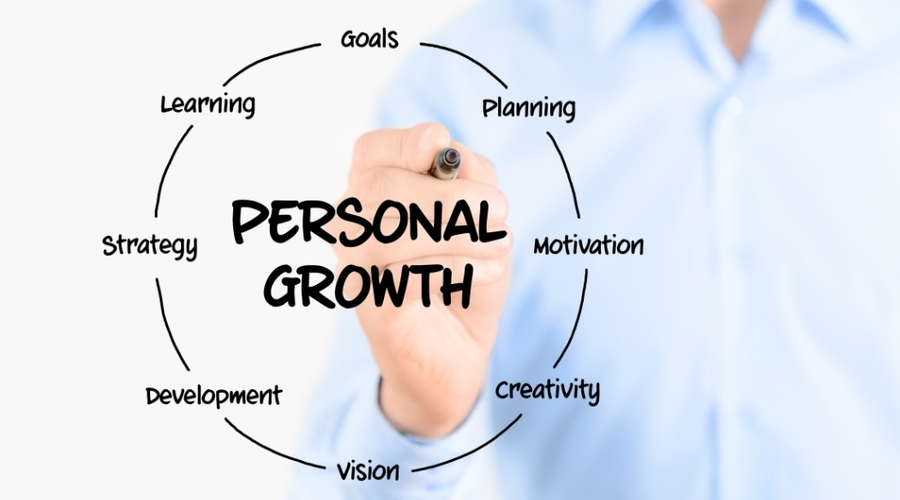
Quality education is one of the most important foundations of a successful life and a progressive society. It gives people the opportunity to gain knowledge, develop useful skills, and understand the world around them. While education is often associated with schools and universities, its true purpose extends far beyond classrooms. It helps individuals become confident, responsible, creative, and prepared for the challenges of everyday life.
Education Builds Confidence
Knowledge can give individuals greater confidence in their abilities. When students understand a subject, learn a new skill, or successfully complete a challenging task, they develop a stronger belief in themselves.
Good education encourages students to ask questions and express their ideas. Instead of simply memorizing information, learners can be encouraged to understand concepts and apply them in practical situations. This approach helps them become more comfortable with solving problems and making decisions independently.
Developing Skills for Modern Careers
The workplace is changing rapidly because of technology, globalization, and new business models. As a result, employers increasingly look for people who can combine academic knowledge with practical abilities.
Education can help students develop communication, teamwork, research, analytical thinking, and digital skills. These abilities can be useful across many industries. Practical projects, internships, presentations, and group activities can give learners valuable experience before they enter the professional world.
The Connection Between Education and Innovation
Innovation often begins with curiosity. Education provides an environment where people can explore questions, test ideas, and discover new solutions.
Science, technology, engineering, business, and creative fields all depend on people who are willing to think differently. Educational institutions can encourage innovation by giving students opportunities to conduct research, work on projects, and use modern tools.
When learners are encouraged to experiment and learn from mistakes, they can develop a mindset that supports creativity and innovation.
Education in the Digital Age
The internet has transformed access to knowledge. Students can now find educational materials, attend virtual classes, watch instructional content, and communicate with teachers and learners from different parts of the world.
Digital learning can make education more flexible and convenient. People can study from home and often choose courses that match their interests or career goals. This is especially useful for individuals who want to develop new skills while continuing their jobs or other responsibilities.
However, learners also need digital literacy. They should know how to evaluate online information, use technology responsibly, and protect their personal information.
The Role of Teachers
Teachers remain an essential part of the educational process. Technology can provide information, but teachers help students understand concepts, ask better questions, and develop learning habits.
An effective teacher can recognize different learning needs and create an environment where students feel comfortable participating. Encouragement, constructive feedback, and clear explanations can have a lasting impact on a learner’s academic development.
Investing in teacher training and professional development is therefore an important part of improving educational quality.
Education Strengthens Communities
The benefits of education extend beyond individual success. Educated individuals can contribute their knowledge and skills to their families, workplaces, and communities.
Education can encourage people to understand social responsibilities, respect different perspectives, and participate constructively in community life. It can also help communities develop skilled professionals who contribute to areas such as healthcare, technology, business, education, and public services.
Learning Beyond the Classroom
Education does not stop after graduation. The modern world requires people to continue learning throughout their lives.
Reading books, attending workshops, taking online courses, learning new technologies, and gaining practical experience are all forms of lifelong learning. Continuous education allows individuals to update their skills and remain adaptable as their personal and professional environments change.
Conclusion
Quality education provides much more than academic knowledge. It helps individuals build confidence, develop practical skills, think creatively, and prepare for changing career opportunities. It also contributes to stronger communities by creating knowledgeable and responsible citizens.
As the world continues to evolve, education must remain flexible and focused on both knowledge and practical development. By supporting effective teachers, modern learning methods, digital literacy, and lifelong education, we can create better opportunities for individuals and contribute to a more skilled and innovative society.
Leave a Reply